


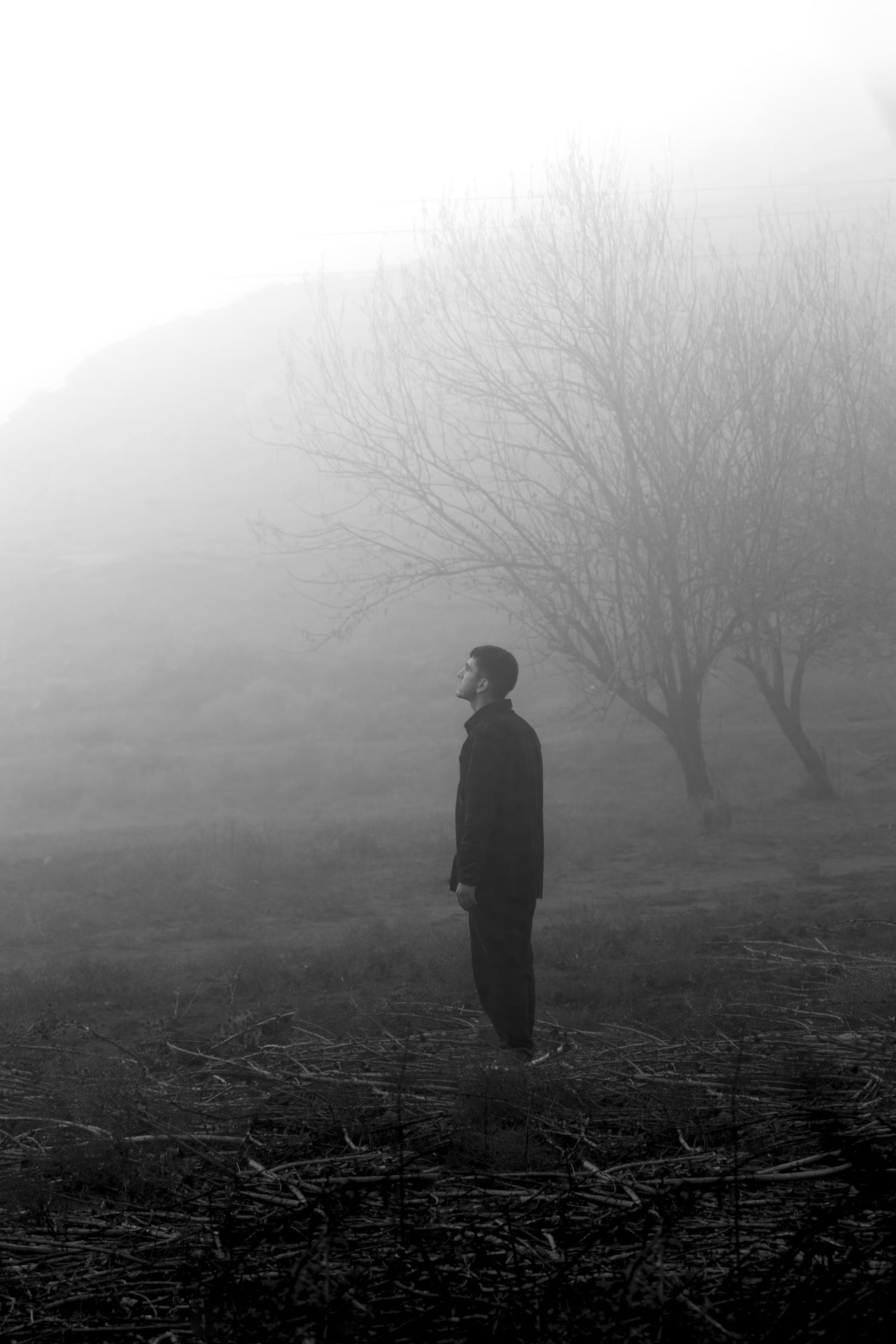
After we recognize that we don’t always need to have everything figured out, there’s still something in us that resists that idea. We just seem to need to know the answer as quickly as possible, or we just can’t get to sleep.
We may accept it in thought, but in practice, we often go right back to trying to force it. We revisit the same questions, turn them over again and again, and look for something—anything—that will give us a solid answer we can hold onto.
I’ve done that more times than I can count.
There have been situations where I thought if I just gave it a little more effort, a little more thought, I could finally settle it. I would go over conversations, replay decisions, and try to reason my way into certainty.
But most of the time, that effort didn’t bring clarity. It just brought more tension.
What I’ve come to see is that forcing an answer is very different from allowing one to come.
When we force it, we tend to narrow things down too quickly. We settle on something not because it’s clear, but because we’re tired of not knowing. The discomfort of uncertainty pushes us to grab onto the first explanation that feels like relief.
The “King” doesn’t like leaving things in limbo. He doesn’t like loose ends. He wants things resolved, defined, and under control. So he steps in and tries to close the gap as fast as possible.
But clarity doesn’t usually work that way.
In my experience, the best understanding tends to come when I step back rather than press forward. When I give something room instead of trying to pin it down.
There have been times when I stopped pushing for an answer, and a few days later, something became obvious that I couldn’t see before. Nothing external had really changed. What changed was the pressure I was putting on it. We many times on the township board have to balance between available funds and what needs doing, and letting it simmer was better than an immediate decision.
It’s a bit like working the land. You can prepare the soil, plant the seed, and give it the right conditions—but you can’t force it to grow faster by standing over it. Local government boards have to basically petition the voting population and show the need for additional funds when existing funds do not cover a project that really needs to be done. The same with farming, I really need that new piece of equipment, but what is the payback?
Some things need time beneath the surface. What do I do with some new spiritual teaching? How does it sit with me? What effect will it have on my family and friends? Does it still fulfill the purpose of loving humanity, or will it just cause more division? What is the cost?
This doesn’t mean we become passive or indifferent. It simply means we learn when to step back. When to let things breathe. When to trust that not everything needs to be solved immediately.
When my dad was still around, I could go to him for his opinions. I miss this, but after his funeral, for which I gave the eulogy, I had to come to the understanding that I now needed to be the man of the family and take responsibility for these types of decisions, but remember what I learned from his wise counsel. There is a kind of quiet discipline in that, one that comes with time when you do not force it.
Just maybe we each need to ask ourselves these questions if we are to be at peace with ourselves. It’s something to slowly think on.